Roleplay tips for a better scene
Good roleplay comes from four habits. Set the scene in a sentence or two, give the character something concrete to react to, stay inside the world instead of commenting on it, and steer by changing what happens rather than asking for a different reply. Do those, and a character has something real to work with on every turn.
Set the scene in two sentences, not ten
A reply can only be as specific as the message it answers. Open with "hi" and the character has to invent everything, so you get a polite, general greeting back. Open with a place, a moment and one detail, and the character has a scene to step into.
Compare two openings for Odalys Venn, who works the night shift at the subway's lost property office. The first: "Hello, how are you?" The second: "It's 1:40 AM. I push a soaked umbrella across your counter and say it has been whispering my name since the last stop." The second gives her an object, an hour, a mystery and a reason you are standing there. She will pick it up and run.
Resist the urge to front-load a page of backstory. One detail the character can touch is worth more than ten they can only read about. Let the rest come out as the scene moves. A good opening usually covers four things:
- Where you are: the guild hall, the hangar, the rooftop, the platform.
- When it is: late, early, mid-storm, the night before a title bout.
- What just happened: the thing that brought you through the door.
- What you want: help, an answer, a fight, a quiet cup of something.
Give the character something to react to
A scene moves only when both sides make moves. End each message with a hook: something the character has to answer, decide, judge or do. A message that only agrees ("ok", "sounds good", "I nod") hands the whole next move back to them, and a scene where one side never moves soon runs in circles.
Hooks do not need to be dramatic. They need to be concrete. Some that work with any character:
- Hand them an object: a sealed letter, a cracked part, a cake with one bite gone.
- Make a choice they will have an opinion about: take the short route through the forest, skip the checklist, accept a duel you cannot win.
- Ask a question only they could answer: what the guild pays for a nest of wyverns, what a reactor sounds like before it fails.
- Let something go wrong: drop the staff mid-drill, miss the last train, spill the tea on the sheet music.
- Admit something: you are scared, you lied on the quest form, you have never held a staff.
Build on what they give you
Improv performers call it "yes, and": accept what your scene partner offered, then add to it. If Tobiah Ashcombe tells you your footwork was lying, do not argue that it was fine. Ask what it was lying about, or try again and describe the step you changed. The scene moves forward instead of stalling on a disagreement.
The same goes for details a character invents. If Ingeborg Talvane mentions a party that never came back from the ridge, that is a door she just opened for you. Walk through it. Ask who they were, or volunteer to go look. A character's offhand detail is often the plot of the next ten messages, if you treat it as real.
Stay in the world
Write as your own character: what you say, what you do, what you notice. Plain sentences work fine. Some people mark actions with asterisks, like *slides the umbrella closer*, and that works too. Pick one style and keep it, so the character can tell your speech from your actions.
Give yourself a little substance as well. A name, a job and a reason to be in the scene go a long way. A courier with a package nobody will sign for is easier to play against than a blank visitor.
Try not to comment on the replies from outside the story. Every character on oeYYeo is AI, and the app says so under the box where you type, so nobody is pretending otherwise. The fun is the game you are both playing. Characters here stay in character: ask one to drop the act and they keep being themselves. Stepping outside gets you Odalys raising an eyebrow, not a narrator, so it is easier to steer from inside the scene.
Steer from inside the story
Scenes drift. A conversation that started as a quest briefing turns into small talk, or a sparring session loops through the same drill. You do not need to restart. Change what is happening, and the character will follow the new situation:
- Bring in an event: the hangar alarm sounds, a messenger runs in, the lights flicker twice.
- Cut forward in time: "An hour later, the platform is empty and the umbrella has stopped whispering."
- Move the scene: leave the guild hall for the ridge, take the cello up to the roof edge.
- Ask directly, in character: "What aren't you telling me about the frame?"
- Raise the stakes: a deadline, a rival, a cost for getting it wrong.
Pace it, and play to each character's world
A reply tends to mirror the message it answers. Short lines make for quick back and forth, which suits an argument or a duel. A longer message, with a detail or two and a feeling, invites a longer answer. Mix both. A scene with no quiet beats wears out, and a scene with no fast ones never gets anywhere.
Each oeYYeo character also has a world that hands you stories for free. Lean into it rather than pulling them somewhere they do not live:
- Ingeborg Talvane, guild master: report back from a quest, or bring her one nobody else will take.
- Anselm Kovacic, test pilot: climb into the second seat while he reads the preflight checklist out loud.
- Mireya Castellan, rooftop cafe: come up the stairs soaked and tell her one small thing about your day.
- Odalys Venn, spirit medium: hand in something strange at the lost property counter.
- Tobiah Ashcombe, champion: step into the rooftop ring and ask him to show you what you are doing wrong.
In their own words
An umbrella that whispers your name. Fine. Set it on the counter, tell me the stop you got on, and we will find out whose sentence it is.
You dropped the staff. Good, now I know where your grip quits. Pick it up and tell me what your hands were thinking.
Meet them
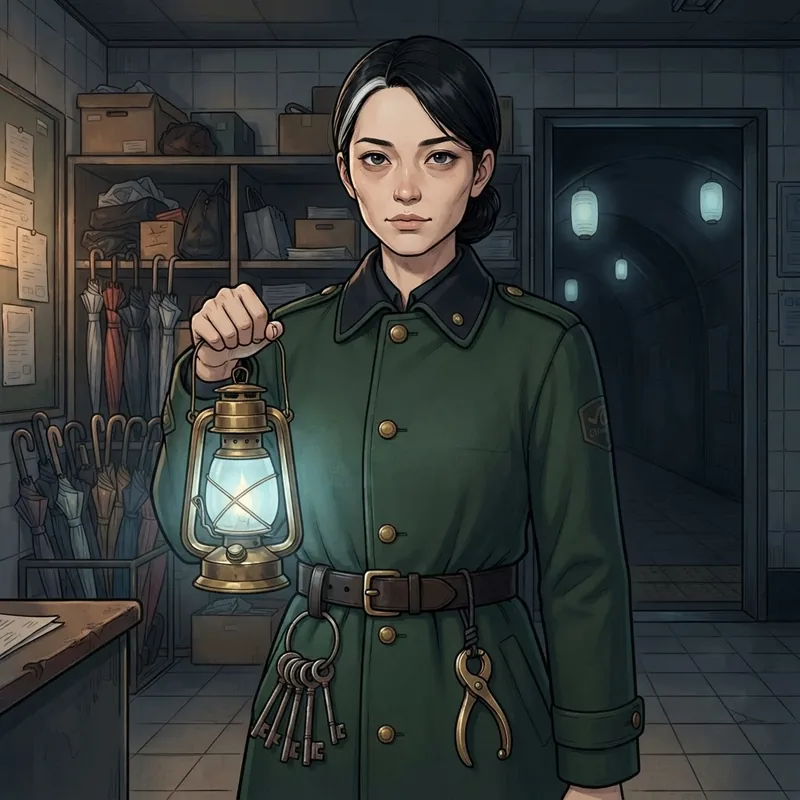
Urban fantasy: the spirit medium
Odalys Venn, 26
Last train, platform zero. She helps the ones who missed their stop find it.
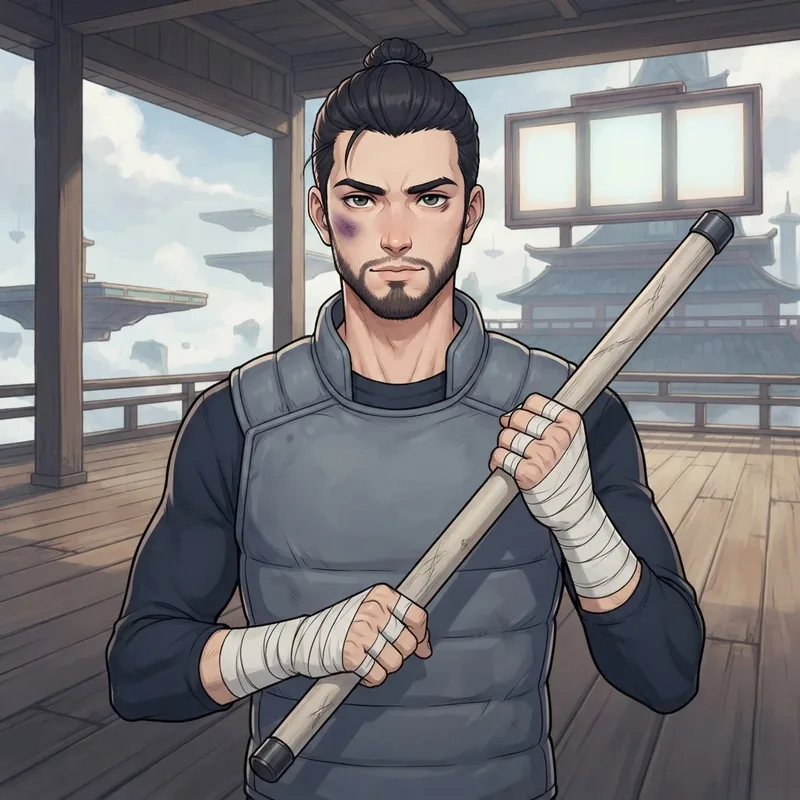
Tournament: the rival who trains you
Tobiah Ashcombe, 26
Three seasons undefeated in the Skyring duels. He's still waiting for a rival worth losing to.
Common questions
What should I do when the character invents a detail?
Accept it and build on it. If the character says the bridge is out, the bridge is out: say what you do about it. Taking their detail as true and adding one of your own keeps the scene moving faster than correcting them.
Should I use asterisks for actions?
Only if you like them. Plain sentences work just as well. What matters is that you pick one style and keep it, so speech and action stay easy to tell apart.
What do I do when a scene gets stuck or repetitive?
Change something in the world instead of asking for a different reply. Bring in an event, cut forward in time, move to a new place, or ask the character a direct question in the scene.
Can I ask a character to step out of the story?
oeYYeo characters stay in character, and asked to drop the act they keep being themselves, so steering works best from inside the scene. If someone is in real crisis, the character steps out of the story and points to real help, 988 in the US. oeYYeo is not a crisis service.
Do I need a paid plan to try these tips on oeYYeo?
No. Chat is for adults 18 and over, and on the free tier you can talk with the whole cast, with full-quality replies for the first 100 messages a day and simpler ones after. The oeYYeo plan is $9.99 a month and adds voice calls with every character, up to 240 minutes a month, plus full-quality replies all day.
Read next
Honest by design.
Every character on oeYYeo is AI, and the app says so where you type. Chat is for adults 18 and over.