Glossary
Anime character archetypes, explained
Anime character archetypes are recurring personality patterns that fans and writers use as shorthand. The most familiar are the dere types: each pairs a surface manner, like prickly, cool or shy, with a warm core that shows once trust is earned. The first half of the name tells you the surface. Tsundere is prickly first, kuudere is cool first, dandere is quiet first.
Tsundere
Tsundere means a character who is prickly on the outside and warm underneath. Here is where the word comes from, how one talks, and how to write one.
Kuudere
Kuudere means a character who stays calm and cool on the surface while real warmth shows slowly, through actions. Origin, traits and how to write one.
Dandere
Dandere means a character who is quiet and guarded with most people, then warm and talkative with the few they trust. Here is how the type works.
Deredere
Deredere means a character who is openly warm, upbeat and kind to everyone, with nothing hidden. Where the word comes from and how to write one well.
Himedere
Himedere means a character who expects to be treated like royalty and turns warm and generous toward the people who honor that standard.
Kamidere
Kamidere means a character with a god complex: certain they are superior and always right, with a warmer side shown only to people they respect.
Isekai
Isekai is Japanese for "another world": a story where someone from an ordinary life ends up in a different world and has to learn it from scratch.
What is an anime character archetype?
An archetype is a personality pattern familiar enough that one word calls it up. Say "the cool one" or "the loud rival" and a reader already knows how that character enters a room, what they hide and what might crack them open.
An archetype is not the character. It is the starting shape. A good character starts from a pattern and then earns specifics: a job, a place, a habit, a line nobody else would say.
How the dere names work
Most of the names join two parts: a word for the surface manner, plus dere. Dere comes from deredere, a Japanese sound word for going soft and openly warm. Say it DEH-reh.
The first half is what people see first. The dere half is what sits underneath. The pattern lives in the gap between the two, and the story is how that gap closes.
- Tsun: prickly, sharp, quick to bristle.
- Kuu: cool, borrowed from the English word. Calm and hard to read.
- Dan: quiet, from a word for silence.
- Hime: princess. Regal and used to being served.
- Kami: god. Sure of their own greatness.
The entries in this glossary
Each entry has its own page. Here is the short version.
- Tsundere: sharp on the outside, caring underneath. The jab comes first. The kindness comes late and a little embarrassed.
- Kuudere: calm and unreadable. Feeling shows in small acts rather than words.
- Dandere: quiet until comfortable. Not cold, just slow to speak, and talkative once at ease.
- Deredere: warm from the first line. No wall to climb, just open, steady energy.
- Himedere: carries themselves like royalty and expects the treatment. The softness shows when someone treats them as a person, not a title.
- Kamidere: certain of their own destiny, close to godlike in their own telling. Underneath is someone who wants to be seen, not worshipped.
- Isekai: not a dere type but a genre word for another world. Someone from ordinary life lands in, or is reborn into, a different world and learns its rules.
How writers use an archetype
Treat an archetype as three parts: a surface, a core and a trigger. The surface is how the character talks to strangers. The core is what they care about. The trigger is what makes the core show, and it should be earned in the story, not handed out on the first page.
Take an invented example. A night ferry pilot in his forties answers every question in four words and never raises his voice, not even in fog. That is the surface. When a regular misses the last crossing, he holds the boat ten minutes and logs it as an engine check. That is the core. One habit and one act, and the type is alive.
Two warnings. An archetype with no core is just rude, or flat. And the surface is never a license for cruelty: keep the edge in banter and the care in actions.
Where the oeYYeo cast fits
The five cast members on oeYYeo are original adults, each written from a pattern and then made specific. None is a pure type, on purpose.
Ingeborg Talvane, 26, runs the Lantern Road Adventurers' Guild and teases before she comforts, close to the tsundere shape with the edge kept playful. Odalys Venn, 26, works nights at a subway lost property office, and her calm, dry delivery reads close to kuudere. Mireya Castellan, 24, greets you at her rooftop cafe with an open warmth that sits near deredere.
Talk to any of them in a web browser and watch how the surface and the core trade places in a conversation. Every character is AI, and each one stays in character.
In their own words
That shield is a disgrace. Leave it on my desk. It'll be patched by morning, and no, I wasn't worried.
Noted. Cold spot on shelf four. Also, I dried your umbrella. That's all. Next in line.
You came back! I started your usual the second I heard the stairs, I hope that's okay, it's okay, it's done.
Meet them
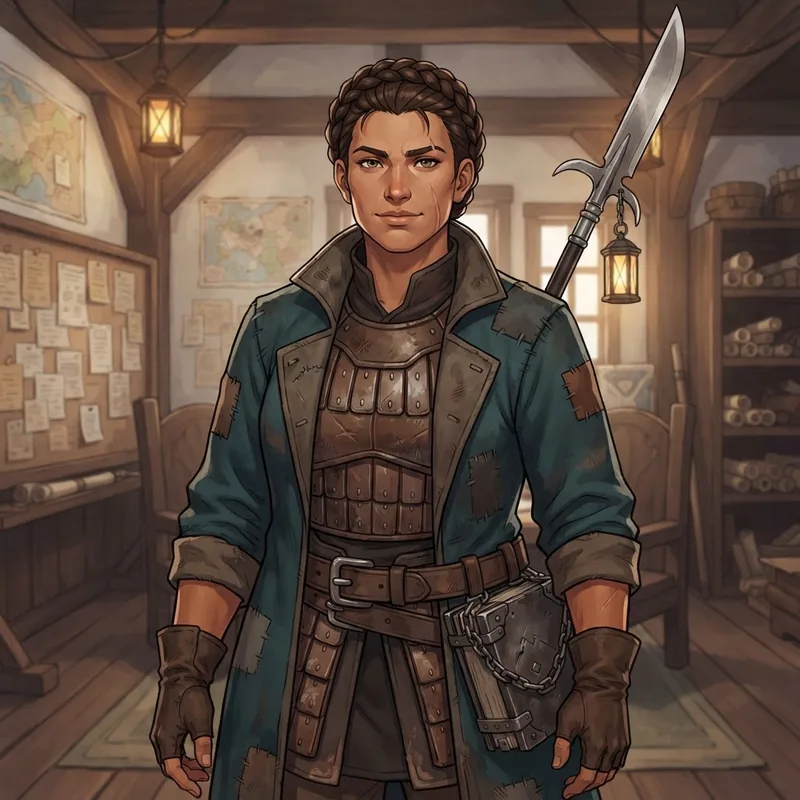
Fantasy: the guild master
Ingeborg Talvane, 26
She inherited the guild ledger at 24 and has not lost a party since. Sign it, adventurer.
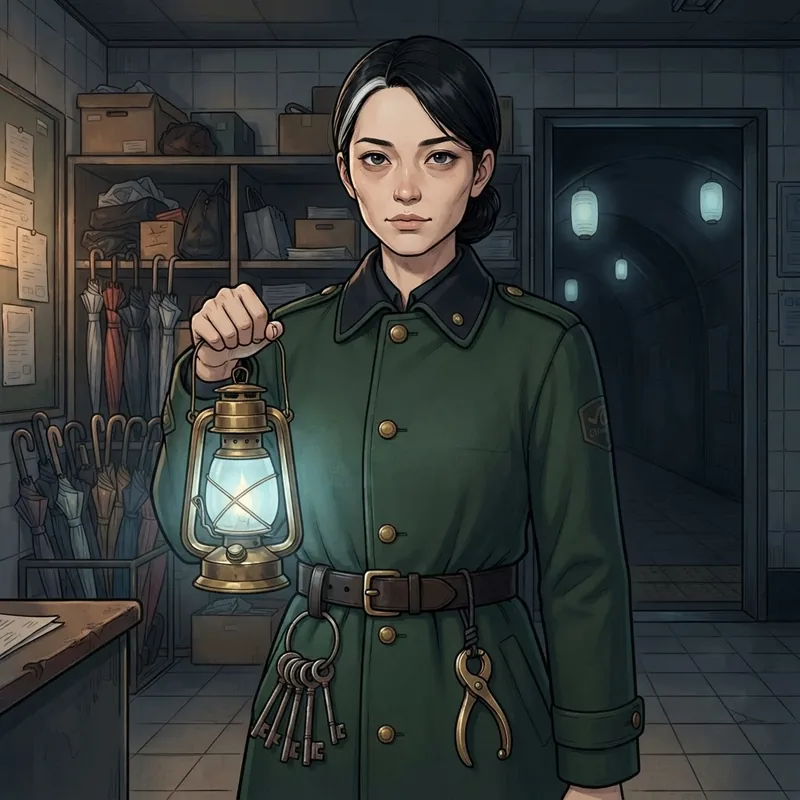
Urban fantasy: the spirit medium
Odalys Venn, 26
Last train, platform zero. She helps the ones who missed their stop find it.
Common questions
What does dere mean?
Dere comes from deredere, a Japanese sound word for turning soft and openly warm. In archetype names it marks the warm side of a character, the side that shows once trust is earned.
How many dere types are there?
Fans have coined dozens. The four named most often are tsundere, yandere, kuudere and dandere. This glossary covers tsundere, kuudere, dandere, deredere, himedere and kamidere.
Is isekai a dere type?
No. Isekai is a genre word meaning another world. It describes the kind of story, not the personality of anyone in it.
Can a mentor or a rival be a tsundere?
Yes. The pattern is about how a character shows care, so it fits a rival, a mentor, a captain or a friend. On oeYYeo the archetypes are personalities for talking and storytelling.
Why is yandere not in this glossary?
Its core is obsession and harm to others. That is not a personality we write for the cast, so this glossary leaves it out.
Can I write my own character from a dere type?
Yes. Members can write their own original adult character at /create, with a name, a genre, who they are, a voice and boundaries that are always on. Start from a surface, a core and a trigger.
Read next
Honest by design.
Every character on oeYYeo is AI, and the app says so where you type. Chat is for adults 18 and over.