What is a Mary Sue?
A Mary Sue (said MAIR-ee SOO) is a fictional character so gifted, flawless and admired that the story bends around them and nothing they want costs them anything.
- The name comes from a 1973 fan-written parody.
- The male version is often called a Gary Stu.
- The problem is unearned success, not competence.
- The fix is a flaw that costs something.
Pitch your character to Ingeborg
Where does the term Mary Sue come from?
In 1973 a fan writer published a short parody in a science fiction fanzine. Its heroine was a brand-new recruit who outshone the established heroes at everything, was adored by all of them, and died nobly at the end while everyone wept. Her name was Mary Sue.
The parody was poking fun at a kind of story that was everywhere in fan fiction at the time: a new character, usually standing in for the writer, who outshines the established heroes at every turn. Fans adopted the name for the pattern, and it spread from fan fiction to novels, film, games and anime.

The signs of a Mary Sue
No single trait makes a Mary Sue. It is the pile-up, and above all the absence of cost. Watch for these:
- No flaw that matters. They may have a quirk, like clumsiness, but it never loses them anything.
- Instant mastery. Skills that took others years arrive in a scene, with no training shown.
- Everyone orbits them. Characters exist to admire, envy or explain things to them.
- The rules bend. The world's own limits stop applying the moment they are in trouble.
- Problems solve themselves. The plot clears a path, so their choices never get tested.
- Disagreeing with them makes you the villain. Anyone who doubts them is proven wrong or punished.
Competent is not the same as Mary Sue
The term gets thrown around too freely, and often unfairly, at any capable heroine. A skilled character is not a Mary Sue. A character who is very good at one thing because they have spent their life on it, and who pays for that elsewhere, is just well written.
The real test is cost. Did they earn what they can do? Do they want something they cannot simply have? Can they be wrong in a way that hurts them or someone else? If the answer to all three is yes, the character can be extraordinary and still feel true.
Is your original character a Mary Sue? A quick check
Run your character through these questions. Two or more no answers is a sign to dig in.
- Have they failed at something that mattered, on the page?
- Is there a skill they are honestly bad at, and does it ever cost them?
- Does at least one character dislike them for a fair reason?
- Did they earn their best ability, and can you say how?
- Do they want something the story will not hand them?
- Would the story still work if someone else made the big save?
How to fix a Mary Sue
You do not need to make the character worse. You need to make the world push back. Start by choosing one flaw that is real, not cute: pride that alienates a friend, a temper that loses a fight that was winnable, a fear that keeps them home on the day it matters. Then write the scene where it costs them.
Next, let other people be good at things. A rival who is better at the one skill your hero cares about does more for the hero than any number of admirers.
Finally, cut a gift and replace it with a history. Instead of being a natural, they trained for ten years under someone strict. The ability stays. Now it means something.
Pitch your character to a skeptic on oeYYeo
Ingeborg Talvane, 26, runs the Lantern Road Adventurers' Guild and has read every request on her board twice since the week she sent six people out on one she had not. She is warm, quick and teasing, and she asks one hard question before she lets anyone sign her ledger. Pitch her a rookie who is perfect at everything and see how long the perfection lasts.
When your character is ready, members can write their own original adult character at /create. Every character on oeYYeo is AI, and the app says so under the box where you type. Chat is for adults 18 and over.
In their own words
Finest blade in three kingdoms, never lost, everyone adores him? Lovely. Now tell me what he's bad at, or he doesn't sign.
I don't send out heroes who've never failed. I send out the ones who failed and came back with the lesson.
Meet Ingeborg
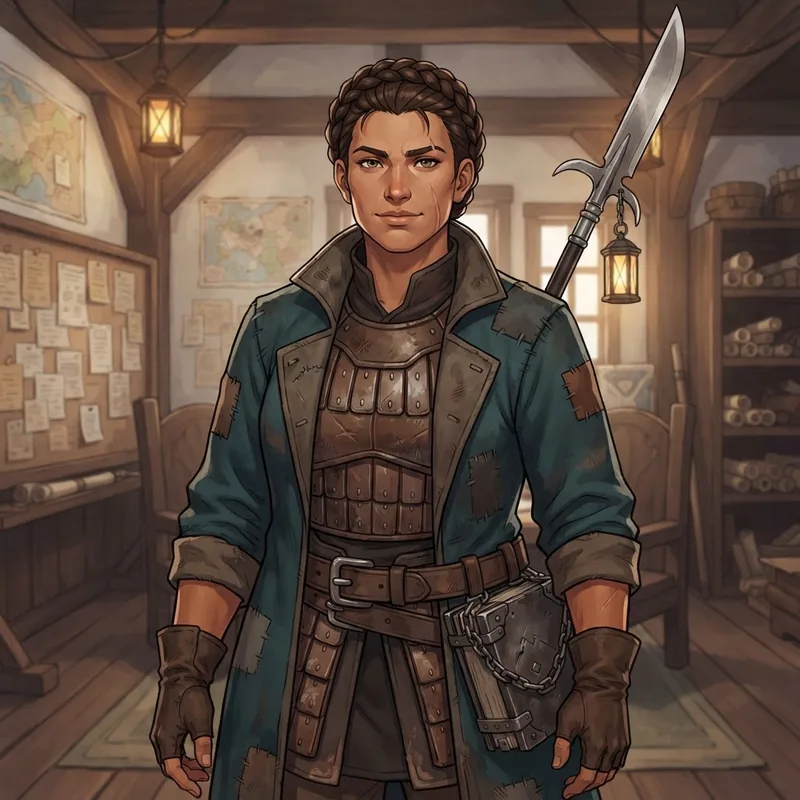
Fantasy: the guild master
Ingeborg Talvane, 26
She inherited the guild ledger at 24 and has not lost a party since. Sign it, adventurer.
Common questions
What is a male Mary Sue called?
Usually a Gary Stu or a Marty Stu. The pattern is the same: a character who is admired and gifted without ever paying for it.
Is every powerful character a Mary Sue?
No. Power is fine. A character becomes a Mary Sue when their success is unearned and costs nothing, and when the story bends its own rules to protect them.
Is it bad to write a Mary Sue?
Not for fun or practice. Many writers start with an idealized stand-in. It becomes a problem when you want readers to care, because a character who cannot lose gives them nothing to worry about.
How do you pronounce Mary Sue?
MAIR-ee SOO, like the two ordinary names.
Where did the name Mary Sue come from?
From a 1973 parody story in a science fiction fanzine whose heroine was impossibly accomplished and adored by everyone. Fans have used her name for the pattern ever since.
Read next
Honest by design.
Every character on oeYYeo is AI, and the app says so where you type. Chat is for adults 18 and over.