What is shonen?
Shonen (said SHOH-nen) is the Japanese publishing label for manga, and the anime adapted from it, first printed in magazines for boys.
- The word means boy.
- It names a readership, not a genre.
- Its stories lean on action, rivals, training and friendship.
- Its readers today include plenty of adults, men and women alike.
- Also written shounen.
Train with Tobiah
Shonen vs shojo vs seinen vs josei
Shonen is the boys' label in a set of four that Japanese publishers use to sort manga by who a magazine was first printed for. Shojo is the girls' label, and seinen and josei cover grown men and grown women. Anime takes the label of the manga it adapts.
The table lines the four up. Treat every cell as a tendency: each category prints comedies, mysteries, sports stories and quiet ones too.
| Feature | Shonen | Shojo | Seinen | Josei |
|---|---|---|---|---|
| Said | SHOH-nen | SHOH-joh | SAY-nen | JOH-say |
| Literal meaning | boy | girl | young man | woman |
| First printed for | boys | girls | adult men | adult women |
| Typical focus | Action, rivals, training, friendship | Feelings, relationships, inner life | Work, consequences, moral gray areas | Everyday adult life, careers, relationships |
| Typical tone | High energy and hopeful | Emotional and expressive | Measured, often darker | Grounded and realistic |
| Art tendencies | Bold motion lines, big action panels | Decorative, flowing pages, expressive faces | Detailed, realistic proportions | Clean, understated, realistic |

What does shonen mean, word by word?
Shonen is written 少年 in Japanese. The first character means few and the second means years, so the word literally reads few years: a boy. In everyday Japanese it is just the ordinary word for boy. In publishing it became the name of a market and then, for fans, the name of a feeling.
Say it SHOH-nen, with a long o in the first beat. The long vowel is why you also see it spelled shounen or with a line over the o. All three spellings mean the same thing.

What makes a story feel shonen?
Shonen magazines run on momentum. Many come out weekly, and editors watch closely what readers ask for more of. The stories that last tend to share a handful of habits:
- A goal said out loud. The hero says what they want on the first page and spends the story earning it.
- Growth through effort. Losing early, training hard and returning stronger is the core loop.
- Rivals who matter. The rival pushes the hero further than any villain, and often becomes a friend.
- Friendship as a power. Loyalty to a crew or a team is what turns a lost fight around.
- Big, readable action. Clear stakes, bold motion lines and fights you can follow panel by panel.
The shonen protagonist
Ask fans to describe a shonen protagonist and you hear the same shape: stubborn, loud, hopeful, a little reckless, with a code they will not break and a dream that sounds too big. They are rarely the most talented person in the room at the start. What sets them apart is that they refuse to stay down.
Writers keep the shape fresh by giving it a cost. A stubborn hero should break something with that stubbornness. A loyal one should have to choose between two people they are loyal to. The dream should demand something the hero did not expect to give.
Shonen is a readership, not a genre
The label only says which magazine a story first ran in. Shonen magazines print sports, cooking, comedy, horror and mystery alongside the battle stories people picture, and some shonen stories get very dark. Meanwhile adults are a huge share of the audience: readers who grew up with it never stopped, and many came to it later.
Bishonen is a related word you will see. It adds bi, beautiful, and it names an art style for male characters drawn with fine, elegant features. It shows up in every demographic and describes grown men as often as anyone.
Talking to a rival on oeYYeo
No oeYYeo character comes from a magazine, but Tobiah Ashcombe carries the training-arc energy shonen is famous for. He is 26, three seasons undefeated in the Skyring duels, and he spends the off-season on a windy rooftop dojo training challengers to beat him. His praise is a dare, and his favorite word is again.
Walk in, lose a round, and ask for another. Every character on oeYYeo is AI, and the app says so under the box where you type. Chat is for adults 18 and over, and chatting with the whole cast is free.
In their own words
You lost. Good! Now you know exactly where your guard drops. AGAIN!
A rival who's stronger is a gift. Means there's a whole staircase left to climb.
Meet Tobiah
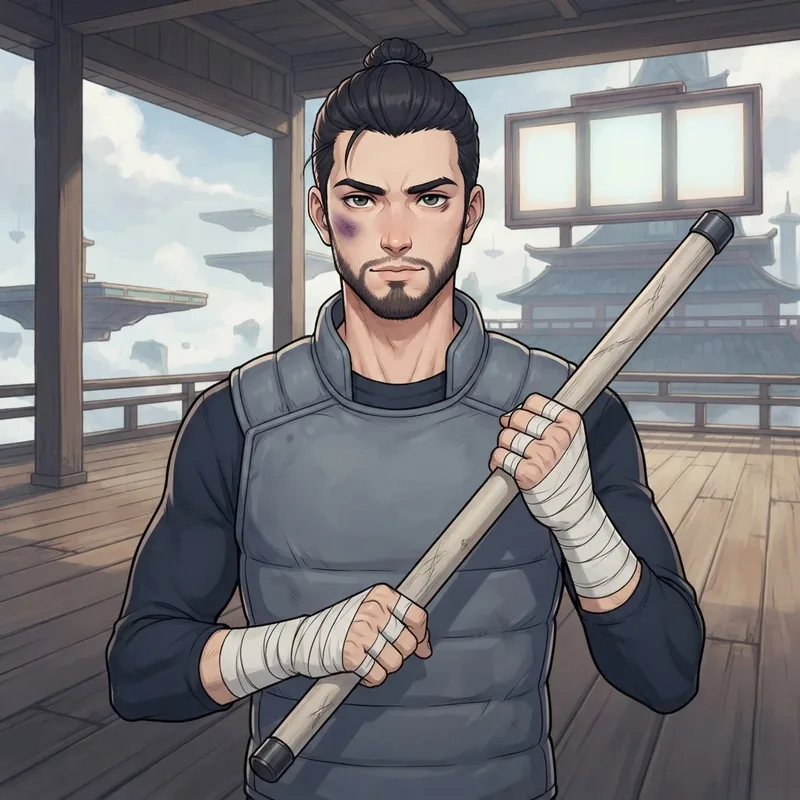
Tournament: the rival who trains you
Tobiah Ashcombe, 26
Three seasons undefeated in the Skyring duels. He's still waiting for a rival worth losing to.
Common questions
What is the difference between shonen and shojo?
Shonen manga is first printed in magazines for boys and leans on action, rivals and training. Shojo is first printed in magazines for girls and leans on feelings, relationships and inner life. Both labels describe the readership, and both print every kind of story.
Is shonen only for boys?
No. The label names the magazine's first readers, but adults and readers of every gender make up a big share of the audience.
How do you pronounce shonen?
SHOH-nen, with a long o. That long vowel is why it is also spelled shounen.
What does bishonen mean?
Bishonen adds bi, beautiful, to shonen. It is an art term for a male character drawn with fine, elegant features, used across every demographic.
Read next
Honest by design.
Every character on oeYYeo is AI, and the app says so where you type. Chat is for adults 18 and over.