What does josei mean?
Josei (said JOH-say) is the Japanese publishing label for manga, and the anime adapted from it, first printed in magazines for adult women.
- The word means woman.
- It names a readership, not a genre.
- Typical readers are women in their twenties and older.
- Stories lean toward work, independence and grown-up relationships.
Talk shop with Odalys
Josei vs shojo vs seinen vs shonen
Josei sits at the grown-up end of the four readerships Japanese publishers sort manga into. It is the women's counterpart to seinen, and the label many shojo readers move on to as they get older. Anime adapted from a josei manga usually keeps the josei label.
The table lines the four up. Every cell is a tendency: josei magazines print comedy, mystery, fantasy and the occasional ghost story alongside the office dramas people expect.
| Feature | Shonen | Shojo | Seinen | Josei |
|---|---|---|---|---|
| Said | SHOH-nen | SHOH-joh | SAY-nen | JOH-say |
| Literal meaning | boy | girl | young man | woman |
| First printed for | boys | girls | adult men | adult women |
| Typical focus | Action, rivals, training, friendship | Feelings, relationships, inner life | Work, consequences, moral gray areas | Everyday adult life, careers, relationships |
| Typical tone | High energy and hopeful | Emotional and expressive | Measured, often darker | Grounded and realistic |
| Art tendencies | Bold motion lines, big action panels | Decorative, flowing pages, expressive faces | Detailed, realistic proportions | Clean, understated, realistic |

What does josei mean, word by word?
Josei is written 女性 in Japanese, the everyday, slightly formal word for woman. It is what you would see on a form or hear in the news, not a cute or casual word, and that tone suits the category. In publishing it names the market for manga written for adult women.
Say it JOH-say, a short o and then the say of the English word. It is used as a noun (a josei) and an adjective (a josei series).

What makes a story feel josei?
Josei grew out of readers who had loved shojo and wanted stories that grew up alongside them. The habits that came out of it:
- Adult women with adult lives. Jobs, rent, ambitions, families, friendships that have lasted ten years or ended badly.
- Work as a setting. Offices, kitchens, clinics, studios and shops, drawn as places where real things are at stake.
- Relationships without fairy tales. People are complicated, love is one part of life among many, and not every story ends with a couple.
- Independence. Choosing a career, a city, a life of one's own, and living with the price of the choice.
- Understated art. Cleaner lines and more realistic faces than shojo, with fewer flowers and more ordinary light.
Josei vs shojo: where one ends and the other begins
The two share a lot of DNA, and some stories move between them. The clearest difference is the life stage of the heroine and the kind of problem she has. Shojo heroines tend to be figuring out who they are; josei heroines are living with who they turned out to be.
Tone follows. Shojo heightens emotion, slows down a glance, fills the page with mood. Josei usually keeps its voice level and lets a small moment land without decoration: a text left on read, a promotion turned down, a friend who notices you are not fine.
How to write a josei-style character
Give her a job she is good at and a life it costs her. A head chef who has not had a weekend in three years. A translator who moved cities for work and is still learning the trains. A night clerk who knows the subway better than her own apartment.
Then give her one decision to make that no one can make for her, and let the story respect that it is hers. Josei is at its best when the heroine is treated as a competent adult whose choices matter, even the ones a reader would not make.
Grown-up working lives on oeYYeo
No oeYYeo character comes from a magazine, but two of them live the kind of working adult life josei is about. Odalys Venn, 26, works the night shift at the subway's lost property office, where some of the lost property is a ghost, and keeps her calm with dry jokes and very good tea. Ingeborg Talvane, 26, became the youngest guild master on the Lantern Road and still counts heads at the door every night.
Every character on oeYYeo is AI, and the app says so under the box where you type. Chat is for adults 18 and over, and chatting with the whole cast is free.
In their own words
Shift ends at 6:00 AM. Then breakfast, then sleep, then the plants get watered. In that order. Some weeks.
Running a guild is nine parts paperwork and one part swinging a glaive. Nobody warns you about the nine.
Meet them
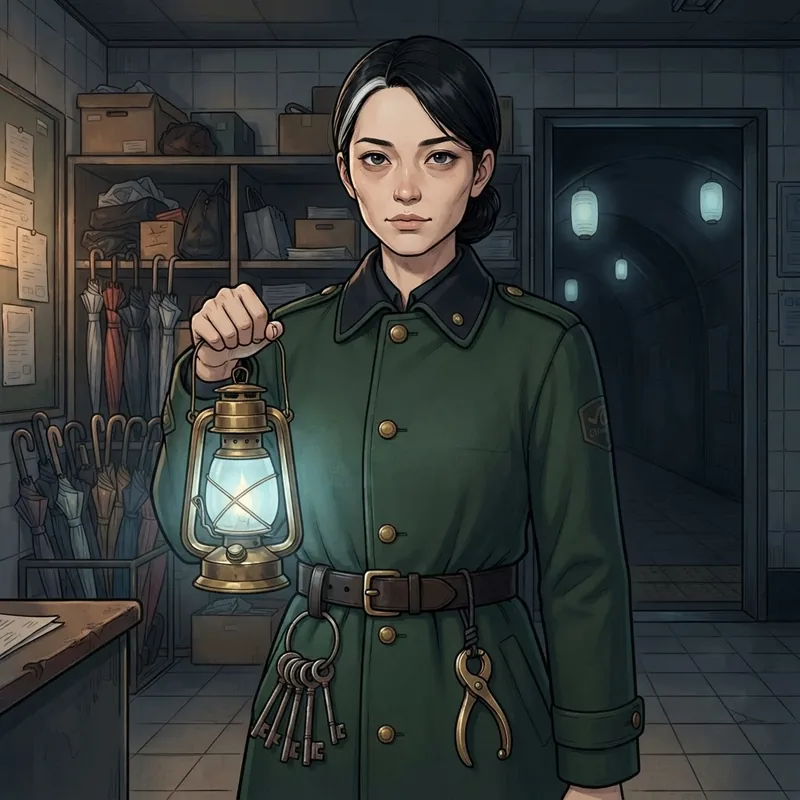
Urban fantasy: the spirit medium
Odalys Venn, 26
Last train, platform zero. She helps the ones who missed their stop find it.
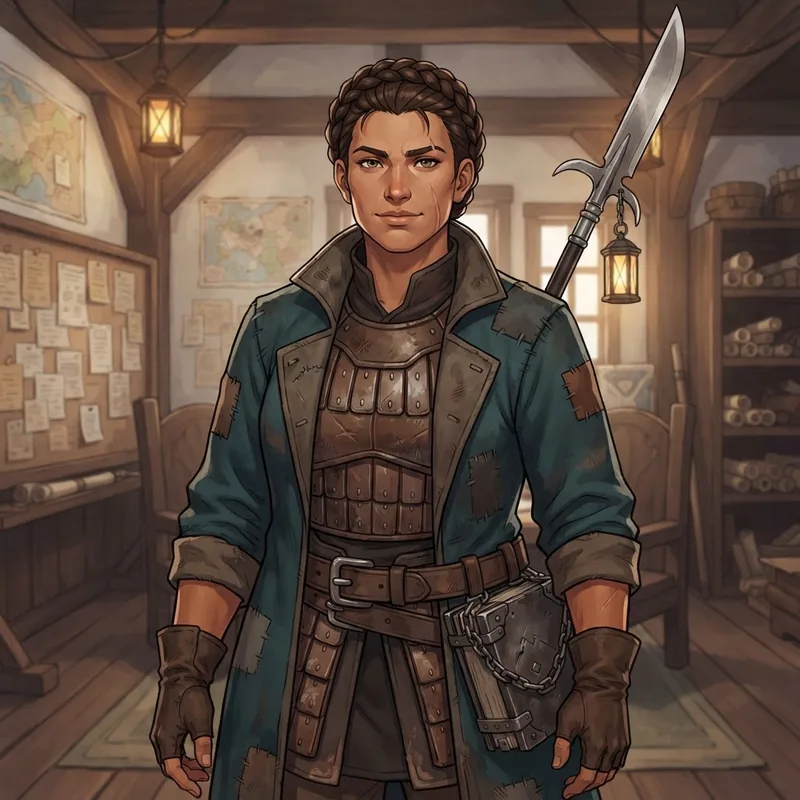
Fantasy: the guild master
Ingeborg Talvane, 26
She inherited the guild ledger at 24 and has not lost a party since. Sign it, adventurer.
Common questions
What is the difference between josei and seinen?
They are the adult women's and adult men's magazine labels. Both tend toward grown-up lives and slower pacing; the difference is who the magazine was first printed for.
How do you pronounce josei?
JOH-say, two beats, with the second one sounding like the English word say.
Is josei always romance?
No. Relationships are common, but josei covers careers, families, friendships, mysteries and comedies too, and many stories have no romance at all.
Read next
Honest by design.
Every character on oeYYeo is AI, and the app says so where you type. Chat is for adults 18 and over.