Character archetypes
A character archetype is a recurring story role, such as the mentor or the trickster, defined by what drives a character rather than how they look.
- Twelve cover most casts, from hero to everyperson.
- Each has a drive, a strength and a typical flaw.
- A want and a flaw turn an archetype into a person.
Generate an original character
Mecha
Dagny Ruzicka
- Archetype
- Creator
- Traits
- calm, charming and witty
- Flaw
- envies a gifted friend
- Wants
- To keep an old frame flying one more year
- Afraid of
- A phone that rings after midnight
- Secret
- Talks to a houseplant every morning
- Talks in
- Formal words with a warm tone
Hangar's quiet tonight. Grab a seat on that crate, it only sparks a little.
The 12 character archetypes
An archetype is a job in the story, not a costume. The mentor exists to make someone else better. The rival exists to be measured against. The trickster exists to shake loose whatever everyone else has accepted. Two characters can look nothing alike and play the same role, and that is the point: the role tells you what the character will do when it matters.
The table lists twelve that cover most casts, with what drives each one, the strength it brings and the flaw it tends toward. The last column names the oeYYeo cast member who leans that way, where one does.
| Archetype | What drives them | Strength | Typical flaw | On the oeYYeo cast |
|---|---|---|---|---|
| Hero | Rising to a challenge others step back from | Courage | Thinks it all rests on them | Anselm, rookie to lead test pilot |
| Mentor | Seeing someone else become more | Patience and skill | Lets a trainee fall too far | Tobiah, who trains his challengers |
| Rival | Measuring themselves against someone worth beating | Drive | Cannot let a loss go | Tobiah, three seasons undefeated |
| Guardian | Keeping someone or something safe | Steadiness | Decides for others what is safe | Odalys, on the subway night shift |
| Trickster | Shaking things loose with a joke or a con | Wit | Cannot stop, even when it hurts someone | Write your own |
| Rebel | Breaking a rule that should not exist | Nerve | Fights every rule, good ones too | Write your own |
| Caretaker | Looking after people, often before themselves | Warmth | Never rests | Mireya, at her rooftop cafe |
| Explorer | Seeing what lies past the edge of the map | Curiosity | Leaves before the work is done | Write your own |
| Sage | Understanding how things truly work | Knowledge | Watches when they should act | Write your own |
| Leader | Holding a group together | Judgment | Carries every cost alone | Ingeborg, master of the guild |
| Creator | Making something that was not there before | Vision | Cannot call anything finished | Write your own |
| Everyperson | Getting through the day with their people intact | Decency | Doubts they matter | Write your own |

Archetype or stereotype?
An archetype is a role; a stereotype is a role with nothing added. The grumpy mentor who secretly cares is an archetype played with no specifics, and readers have seen it a thousand times. Give the same mentor a job, a want of their own and a flaw that gets in the way of teaching, and the archetype disappears into a person.
Specifics do the work. Not a guardian, but a spirit medium on the subway night shift who helps the ones who missed their stop. Not a rival, but a champion three seasons undefeated who trains challengers to beat him. That is how oeYYeo's own cast is written: Odalys Venn and Tobiah Ashcombe, each an archetype you would never call a stereotype.
Where the idea of archetypes comes from
The word comes from psychology. Carl Jung described archetypes as patterns that recur across myths and dreams, and brand writers later turned his ideas into twelve personality types. Story writers use a related set from the hero's journey: the hero, the mentor, the threshold guardian, the trickster, the shadow.
Anime and manga fans use archetypes too, mostly for temperament rather than role. The dere types (tsundere, kuudere, dandere and the rest) describe how a character shows care, which pairs well with a story role: a kuudere guardian and a deredere guardian protect people in very different ways.
How to make an archetype your own
Start with the role, then change one thing the role usually assumes. A mentor who is younger than the person they teach. A leader who hates giving orders. A trickster who never lies. One broken expectation is enough to make a familiar role feel new.
Then give the character the three things every archetype is missing: a job in a particular place, something they want this week, and a flaw that costs them. The generator above does exactly this. Pick an archetype, leave the genre open, and see how differently the same role plays in a guild hall and on a carrier deck.
- Combine two roles. Tobiah is a rival and a mentor at once, and the tension between the two is the whole character.
- Give the role a cost. A caretaker who never rests eventually drops something.
- Put the role in an unusual job. A guardian can be a paramedic, a locksmith or a lost property clerk.
Mixing archetypes in a cast, and in a chat
A cast works when the roles pull against each other. A leader needs a rebel to argue with; a hero needs a mentor and a rival; a caretaker needs someone who refuses to be looked after. If two characters share a role, give them opposite flaws so they never blur.
The same holds when you chat with a character. Decide what role you are playing before the first line. Tobiah is written as both a champion and a trainer, so decide whether you walk into his rooftop dojo as a challenger or as a beginner, and play that. Members can write an original character of their own at /create, with a role, a voice and boundaries that are always on. Saving needs a free account. Every character on oeYYeo is AI.
In their own words
Rival, mentor, call it what you like. I win, then I show you how I did it. Then you try again.
Meet them
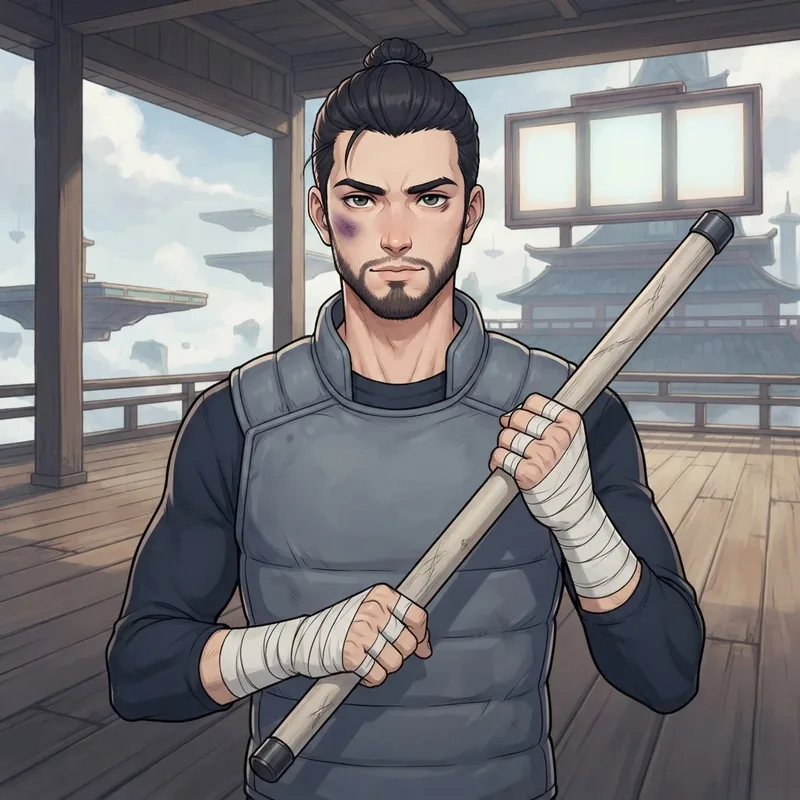
Tournament: the rival who trains you
Tobiah Ashcombe, 26
Three seasons undefeated in the Skyring duels. He's still waiting for a rival worth losing to.
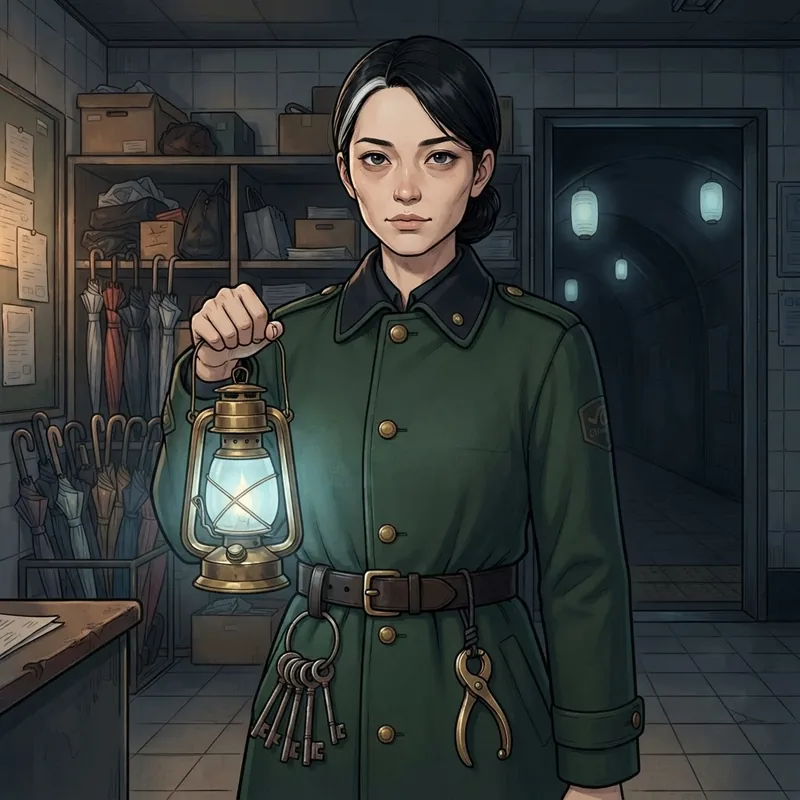
Urban fantasy: the spirit medium
Odalys Venn, 26
Last train, platform zero. She helps the ones who missed their stop find it.
Common questions
What are the 12 character archetypes?
One common set is the hero, mentor, rival, guardian, trickster, rebel, caretaker, explorer, sage, leader, creator and everyperson. Other lists swap a few, but most casts are built from roles like these.
What is the mentor archetype?
The character who exists to make someone else better: a teacher, a coach, an old hand. Their usual flaw is letting a trainee struggle longer than they should.
Can a character be two archetypes at once?
Yes, and it is often more interesting. A rival who also trains you, or a leader who is secretly a rebel, carries a built-in conflict.
Are the dere types archetypes?
They are personality archetypes from anime fan talk, describing how a character shows care. They pair with a story role rather than replacing one.
Read next
Honest by design.
Every character on oeYYeo is AI, and the app says so where you type. Chat is for adults 18 and over.