What does OOC mean in roleplay?
OOC (said oh-oh-SEE, letter by letter) means out of character: anything a roleplayer writes as themselves rather than as the character they are playing.
- IC, in character, is the opposite.
- OOC notes usually sit in double brackets, like ((back in five)).
- RP is short for roleplay.
- oeYYeo characters stay in character even when you go OOC.
Go OOC with Tobiah
What does OOC mean?
OOC stands for out of character. In a roleplay, everything you write is either in character, what your character says, does and notices, or out of character, what you say as yourself. "My knight draws her sword" is in character. "Sorry, I have to log off at 11 PM" is out of character.
Because both kinds of message land in the same chat, roleplayers mark the OOC ones so nobody mistakes a note for a plot twist. The most common marks are double brackets, ((like this)), a tag at the front, like [OOC: back in five], or two slashes, // like this. A group or a partner usually settles on one and sticks to it.
You will also see OOC used as a tag in fan writing, where it means something slightly different: the writer is warning readers that a character acts against their usual personality. Same letters, same idea underneath. Someone is not behaving as their character would.
| Term | Short for | What it means |
|---|---|---|
| RP | Roleplay | Telling a story together, each person playing a character |
| IC | In character | Written as your character: their words, actions and thoughts |
| OOC | Out of character | Written as yourself, usually in double brackets |
| OC | Original character | A character you invented, not one from an existing story |
| NPC | Non-player character | A side character nobody is playing as their own |
| GM | Game master | The person who runs the world and its side characters |
| Starter | Scene starter | The first post that sets the place and the problem |
| Para | Paragraph | A reply of a full paragraph or more |
| Godmodding | God mode | Making your character impossible to beat or touch |
| Powerplaying | Slang | Deciding what someone else's character does |

IC and OOC: how to tell them apart
IC means in character, and it is the default. Anything you write without a mark is read as your character speaking or acting. OOC is the exception you flag. Picture a scene on Tobiah Ashcombe's rooftop ring:
- IC: "I plant my feet, grip the borrowed staff and nod. Again."
- IC: *wipes the sweat out of her eyes and squares up*
- OOC: ((Can we skip ahead to the final? I have about twenty minutes.))
- OOC: [OOC: love this scene, by the way]
Roleplay terms for how a scene is written
Most roleplay slang describes who is speaking or how long the replies run. A starter is the opening post that sets the scene. A reply is everything after it. One-liners are short replies of a line or two, quick and fast-moving, and good for arguments and duels.
At the other end, a para is a full paragraph reply, and multi-para means several. Groups sometimes describe their style as literate or semi-literate, which is about length and care, not about skill: literate roleplay means full sentences, proper punctuation and replies of a paragraph or more. None of these is better than the others. What matters is that both sides want the same pace.
Roleplay terms for playing fair
A second family of terms names the ways a scene can go wrong. Each one describes taking a choice away from the other player. Knowing the words makes it easier to ask, OOC, for a scene to change.
- Godmodding: making your character unbeatable or untouchable, so nothing anyone else does can matter.
- Powerplaying: writing what another person's character does, says or feels without asking.
- Autohitting: declaring that your attack lands, instead of leaving the other player room to react.
- Metagaming: letting your character act on something only you, the player, know.
- Bleed: feelings crossing over between a player and their character, in either direction. It is normal, and worth noticing.
What happens if you go OOC with an oeYYeo character?
Every character on oeYYeo is AI, and the app says so under the box where you type. Characters stay in character the whole time, so an OOC note does not pull them out of the scene. Ask Tobiah to drop the act and you get Tobiah, still on his rooftop, still counting rounds. Ask him plainly whether he is human and he tells you he is an AI character, in his own voice, without breaking stride.
That makes steering from inside the story the fastest way to change a scene: bring in an event, cut forward in time, or ask a direct question in character. The one time a character steps out of the story is a real crisis, when they speak plainly and point to real help, 988 in the US. oeYYeo is not a crisis service.
In their own words
Human? No. AI, and still undefeated. Good question, though. It cost you a round. Pick up the staff.
Brackets or no brackets, rookie, you are still standing in my guild hall. Sign the ledger, then ask.
Meet them
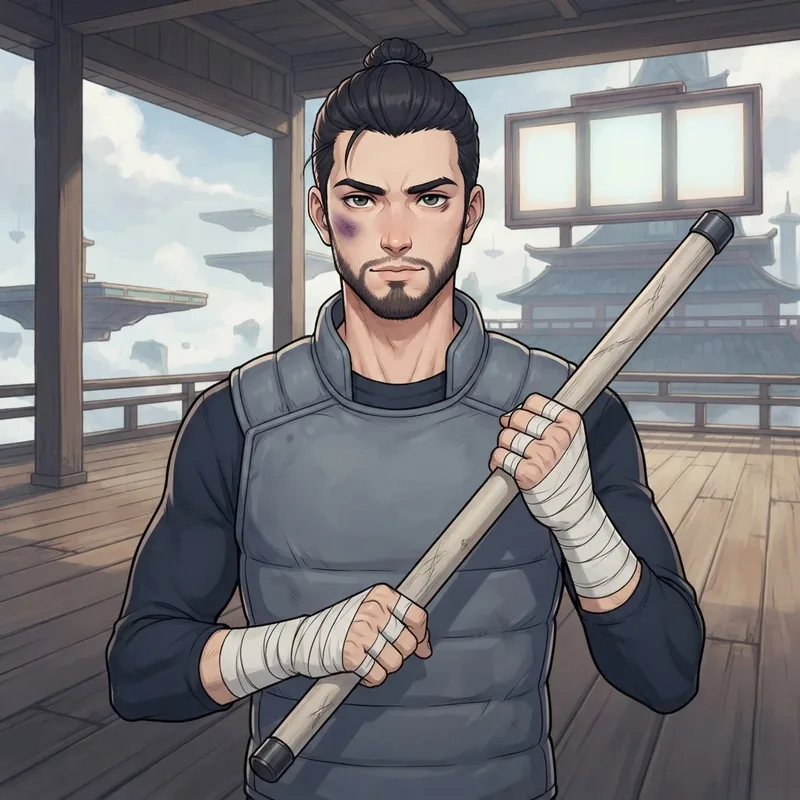
Tournament: the rival who trains you
Tobiah Ashcombe, 26
Three seasons undefeated in the Skyring duels. He's still waiting for a rival worth losing to.
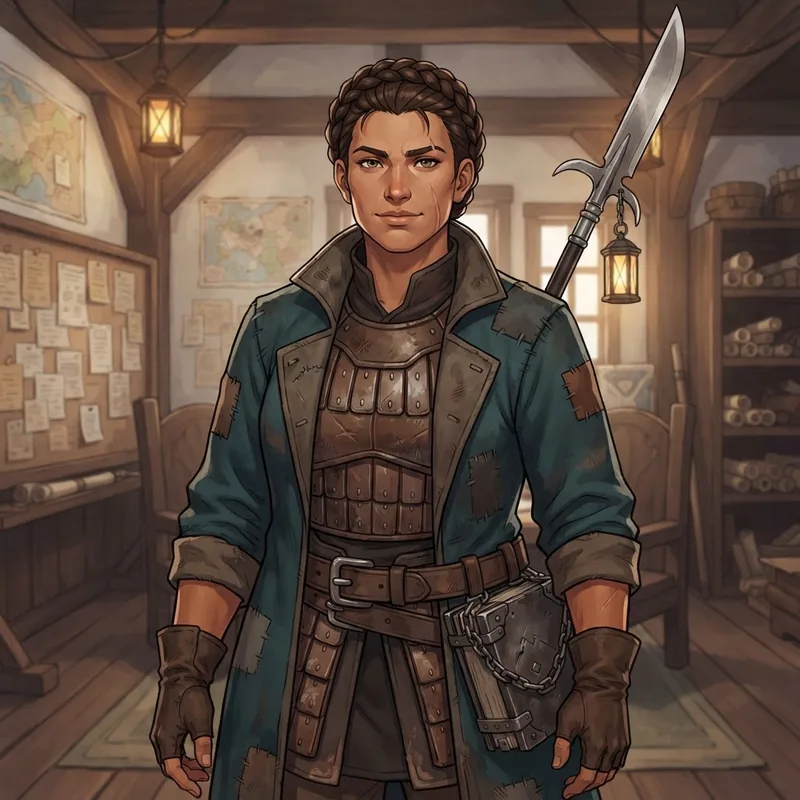
Fantasy: the guild master
Ingeborg Talvane, 26
She inherited the guild ledger at 24 and has not lost a party since. Sign it, adventurer.
Common questions
What does IC mean in roleplay?
IC means in character. It is anything written as your character: what they say, do, think or notice. Unmarked messages in a roleplay are read as IC.
What does RP mean in texts?
In a chat or a text, RP usually means roleplay, as in "want to RP?" Outside roleplay, RP can also stand for Received Pronunciation, a British accent.
What does OOC mean in fan fiction?
As a tag on a story, OOC warns readers that a character behaves differently from their usual personality. It is the same idea as in roleplay: someone is acting out of character.
How do you write an OOC note?
Put it in double brackets, ((like this)), or start it with [OOC]. Keep it short, and agree on one style with your partner so notes never get mistaken for the story.
Is it rude to go OOC in the middle of a scene?
No. A quick OOC note to check in, ask for a change or say you need to leave is normal and usually welcome. Long OOC chats in the middle of a scene can stall it, so keep them brief.
Read next
Honest by design.
Every character on oeYYeo is AI, and the app says so where you type. Chat is for adults 18 and over.