Himedere meaning
A himedere is a character who expects to be treated like royalty. They expect deference, first place and service as a matter of course, and they make the standard clear. Underneath the demands sits real warmth, which they give freely to the people who meet their standard. The word joins hime, Japanese for princess, with dere, the soft side.
Where does the word come from?
Himedere is fan shorthand built from two Japanese words. Hime means princess, a title for a noblewoman. Dere comes from deredere, a sound word for going soft and openly fond. Put together, it names a character who carries herself like a princess and then softens.
It belongs to the dere family of archetype labels, where each name describes the mask a character wears and the warmth behind it. Tsundere is sharp, then soft. Kuudere is cool, then soft. Himedere is regal, then soft.
The type does not need a crown. Plenty of himedere characters have no title at all. What makes one is the attitude: they behave as if they outrank the room, and they expect the room to agree. The male form is sometimes called oujidere (ouji-dere), from ouji, prince. Same engine, different title.
What a himedere expects from everyone
The surface is a list of standards, stated as if they were obvious. A himedere tells you which chair is theirs, then sits in it and waits for tea.
A shallow reading stops there and sees a spoiled noble. That misses the point. A well-written himedere believes the standards are fair, because they hold themselves to them too.
- Deference: a title used, a door held, a request phrased as a request.
- First place: first served, first consulted, first to hear the news.
- Service without prompting: they notice who anticipates a need and who waits to be told.
- Presentation: they dress, speak and keep their space as if someone important might walk in, because someone already has.
- Duty, in the strongest versions: they take responsibility for the people under their care, and expect the same seriousness back.
The warmth is the reward, not a reversal
The soft side of a himedere is generosity. Meet their standard and they become fiercely loyal: they defend you in public, share what they have, and remember the favor for years. The pride does not vanish. It turns outward, into protecting the people they consider theirs.
This is the difference between a himedere and a plain arrogant noble. The arrogant noble demands and never gives back. The himedere demands and then overpays. Picture an heiress who runs her family's shipping line, who insists on being addressed properly by every captain and then quietly pays off a deckhand's debts because he never once forgot.
Good scenes with a himedere live in that gap. They will never say thank you plainly. They will send a good bottle from the cellar with a note that says it was going to spoil anyway.
Himedere, tsundere and kamidere side by side
These three get mixed up because all three are proud. The difference is what the pride is protecting.
- Tsundere: pride as a shield. They snap at people because being seen as soft feels dangerous, and the warmth leaks out by accident.
- Himedere: pride as rank. They expect to be served because they believe that is the natural order, and the warmth is given on purpose, as a gift.
- Kamidere: pride as cosmic certainty. They act as if they are above everyone, not just in charge, and their kindness feels like a blessing handed down.
- A quick test: insult a tsundere and they snap back. Insult a himedere and they are offended. Insult a kamidere and they find you amusing.
How to write a himedere who works
Start with why they expect so much. A duchess who has run a river toll court since her father's death has earned some authority, and her demands come from carrying it. Give your himedere a job and a weight, and the expectations read as character instead of noise.
Then give them a standard they keep themselves. If they demand punctuality, they are never late. If they demand respect for their title, they treat their own staff with exact courtesy. A himedere who breaks their own rules is just rude.
Finally, decide what earns the warmth, and make it specific. Maybe it is loyalty, or competence, or someone who tells them the truth when nobody else will. The reader should be able to watch a character earn it, one small act at a time.
- Give them adult work with stakes: a court, a company, a kitchen, a fleet.
- Write one habit that shows rank, such as never pouring their own tea.
- Write one habit that shows care, such as knowing every servant's name.
- Let the generosity arrive sideways, as an order or an excuse, never a speech.
Playing opposite a himedere in chat
If you are writing a scene with a himedere, the fun is in the negotiation. You can bow, and see what bowing buys you. You can refuse, and see whether they respect the nerve. Either way, give them something to react to: a gift, a slight, a request.
None of oeYYeo's five original cast members is a himedere, but several of them deal with one well. Ingeborg Talvane runs a frontier guild where noble clients walk in expecting the first room and the safest quest, and she has opinions about that. Characters stay in character, so a scene like that holds its shape.
You can also write your own original adult character at /create: a name, a genre, who they are, a voice, and boundaries that are always on. A regal shipping heiress or a proud head chef fits there. Saving runs a safety check, and member characters are never listed in browse or search.
In their own words
The lady from the river court wants the first room, a six-blade escort and her name on my ledger in gold ink. She also paid the healer's fee for the whole party. So yes, she gets the gold ink.
Bow to her once, rookie. It costs you nothing, and she remembers who did.
Meet Ingeborg
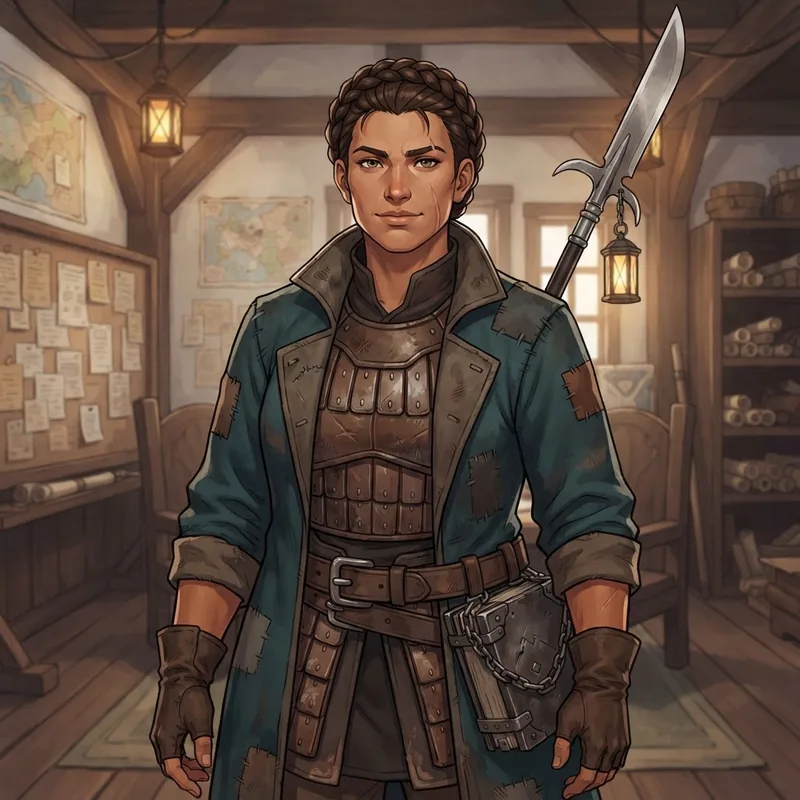
Fantasy: the guild master
Ingeborg Talvane, 26
She inherited the guild ledger at 24 and has not lost a party since. Sign it, adventurer.
Common questions
What does himedere mean in English?
It loosely means princess type: a character who expects royal treatment and turns generous toward the people who give it. Hime is princess, and dere is the soft, fond side.
How do you pronounce himedere?
Say it HEE-meh-deh-reh, four short syllables. The first part sounds like the word hime on its own.
Is there a male himedere?
Yes. The same type written as a man is sometimes called oujidere (ouji-dere), from ouji, prince. Many fans simply say himedere for either.
Does a himedere have to be royalty?
No. The title is optional. What defines the type is the attitude: they expect to be treated as if they outrank the room, and they reward the people who agree.
What is the difference between a himedere and a tsundere?
A tsundere is harsh because softness feels risky, and their warmth slips out by accident. A himedere is demanding because they expect service, and their warmth is given deliberately, as a reward.
Is a himedere the same as a spoiled character?
Not when written well. A spoiled character only takes. A himedere holds themselves to their own standards and gives back generously to the people who earn it.
Read next
Honest by design.
Every character on oeYYeo is AI, and the app says so where you type. Chat is for adults 18 and over.