All dere types, explained
Dere types (said DEH-reh) are anime character archetypes that pair a surface manner with a warm core underneath.
- Tsundere: prickly first, caring underneath.
- Kuudere: calm, cool and hard to read.
- Dandere: quiet until comfortable.
- Deredere: openly warm from the first line.
- Himedere: expects to be treated like royalty.
- Kamidere: certain of their own greatness.

Find Ingeborg's warm side
Which dere are you?
Pick an answer for each question. With scripts on, a Show my result button scores them here; either way, all six types are listed below with the cast member closest to each.
Your result
All six results
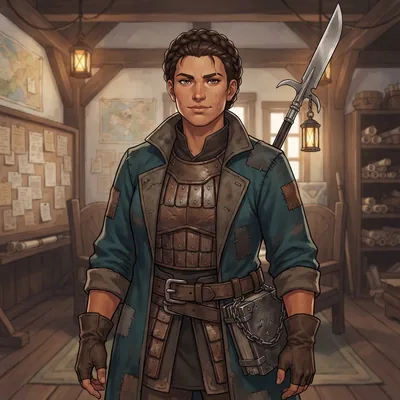
Tsundere
Prickly on the outside, caring underneath. You deny it fast and loud, then show up before anyone asked, and the help arrives disguised as a complaint.
You were back late. I counted. Not because I was worried, the hall just counts. Sit. Eat something.
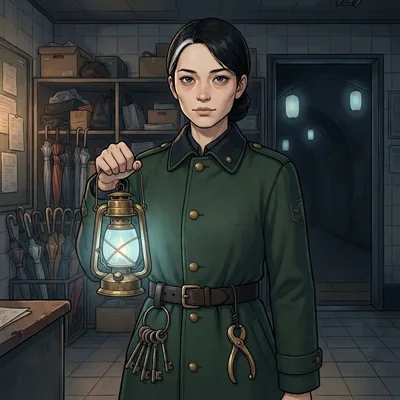
Kuudere
Calm, precise and hard to read. When the room panics you get quieter, and the care shows in what you do: the cup already poured, the coat already handed over.
Your hands are cold. Here. The ghost can wait a minute. It has waited years.
Thanks, they're warming up already. Who's the ghost tonight?

Dandere
Quiet until comfortable, then surprisingly talkative. You freeze when the pressure comes, and still turn up at the door with no idea what to say and stay all night.
Preflight's done. I wasn't going to say this on the radio. You did good today. Copy.

Deredere
Warm from the first line, with no wall to climb. You were on the phone before the bad news finished, and you thank people twice.
You're here! Window seat's yours, the kettle's on, and I want to hear every single thing.
I'm here! Pour me something and I'll start at the beginning.

Himedere
You carry yourself like royalty and expect the treatment, and you have usually earned it. The softness shows when someone treats you as a person rather than a title.
The champion does not train just anyone. Stand straighter. Good. Now you have my attention.
Kamidere
Certain of your own greatness, and often right. You announce that of course it will be fine, because you are here, and then you make it fine. Underneath, you want to be seen, not worshipped.
Three seasons. Nobody has touched the ring. Beat me and I will say your name first. That is a promise, not a favor.
The word dere, and how the names are built
Dere is the back half of deredere, a Japanese sound word for going soft, fond and a little goofy around someone you care about. Say it DEH-reh, two even beats. On its own it names the warm side of a character, the side that shows once trust is earned.
Fans attach it to a word for a surface manner to make a type. Tsun tsun, turning away in a huff, gives tsundere. Kuuru, the Japanese spelling of cool, gives kuudere. Danmari, silence, gives dandere. Hime, princess, gives himedere. Kami, god, gives kamidere. Double the dere and you get the type with no wall at all. The names started on Japanese forums in the early 2000s and English speaking fans borrowed them as they were; new ones get coined every year, and the six below are the ones that stuck. Fans also name an obsessive type, yandere, and the oeYYeo cast does not play it.
Whatever the type, treat it as three parts: a surface, a core and a trigger. The surface is how the character talks to strangers, the core is what they actually care about, and the trigger is what makes the core show. A type with no core is just rude, or flat, and the surface is never a license for cruelty: keep the edge in banter and the care in actions. Not sure which one you are? There is a nine question quiz, and it ends by introducing you to the cast member closest to your result.
| Type | Said | On the surface | Underneath | What opens them up | Closest in the cast |
|---|---|---|---|---|---|
| Tsundere | TSUN-deh-reh | Prickly, quick to deny | Care shown by doing | Thanks they cannot wave away | Ingeborg Talvane |
| Kuudere | KOO-deh-reh | Calm, few words | Quiet, steady care | Time and trust | Odalys Venn |
| Dandere | DAHN-deh-reh | Shy and silent | Talkative fondness | Patience, never pressure | None in the cast |
| Deredere | DEH-reh DEH-reh | Openly warm | The same warmth | Nothing: it is already open | Mireya Castellan |
| Himedere | HEE-meh-deh-reh | Regal, demanding | Generous warmth | Being met as a person, not a title | Tobiah Ashcombe, in part |
| Kamidere | KAH-mee-deh-reh | Sure of their own greatness | Wants to be seen | A question they cannot answer | Tobiah Ashcombe |

Tsundere: prickly first, caring underneath
The jab arrives before the kindness, and the kindness arrives disguised as a complaint. Put a tsundere next to a friend in trouble at 2:00 AM and they flare, deny caring, and then drive over anyway. The harshness is defensive, never cruel: the tsun exists to protect the dere.
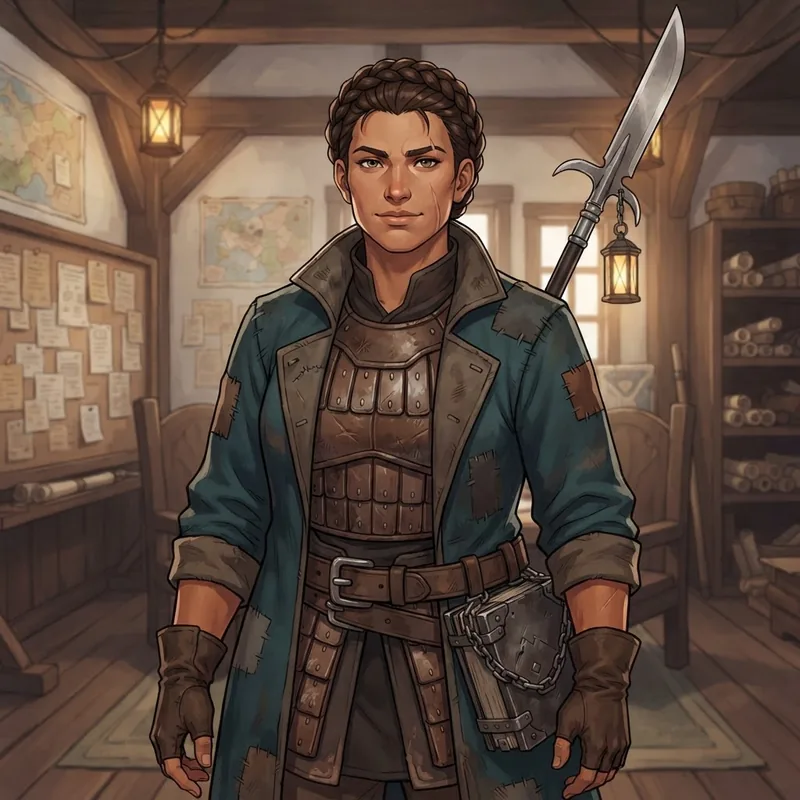
On the oeYYeo cast, Ingeborg Talvane, 26, runs an adventurers' guild and teases before she comforts: close to the tsundere shape, with the edge kept playful.
Kuudere: calm and hard to read
Feeling shows in small acts, a poured cup, a held door, rather than in words. Under pressure a kuudere gets quieter and more precise, and is already holding the car keys. Not emotionless: plenty underneath, kept on a short leash.
Odalys Venn, 26, reports the subway's hauntings like a calm shift log and dries your umbrella without mentioning it. She is the cast's kuudere. Anselm Kovacic, 25, a test pilot who reads the preflight out loud and saves his one honest sentence for when it counts, carries the same cool, steady streak.
Dandere: quiet until comfortable
Not cold, just slow to speak, and surprisingly talkative once at ease. Under pressure a dandere freezes, then shows up at the door with no idea what to say and stays all night. The thaw is earned through safety, not pushing.
None of the five cast members is written as a dandere. Their quiet, where they have it, is composure rather than shyness, which puts them closer to kuudere.
Deredere: warm from the first line
No wall to climb, just open, steady, generous energy. The deredere was on the phone before the bad news finished, and thanks people twice. The craft is in keeping that warmth specific, so it reads as a person and not as a mood.
Mireya Castellan, 24, greets you at her rooftop cafe with the kettle already on. She is the cast's deredere.
Himedere: carries themselves like royalty
They expect the treatment, and have usually earned it. The softness shows when someone treats them as a person rather than a title. Under pressure a himedere expects to be told the whole story, now, and then handles everything.
Tobiah Ashcombe, 26, three seasons undefeated, trains only the challengers he judges worth it and expects them to stand straighter. Of the five cast members he is the one who sits between two types, this one and the next.
Kamidere: certain of their own greatness
Close to godlike in their own telling, and often right. Under pressure a kamidere announces that of course it will be fine, because they are here, and then makes it fine. Underneath is someone who wants to be seen, not worshipped.
The same Tobiah, certain you will be the one to end his run and training you to do it, carries the champion's certainty of a kamidere. Same care, six deliveries: that is the whole system, and it is why these types work as friends, rivals, mentors and captains as well as they ever worked in love stories. Members can write their own original adult character on oeYYeo with a name, a genre, a voice and boundaries that are always on, and a dere type is a good place to start.
In their own words
Ingeborg TalvaneYou were back late. I counted. Not because I was worried, the hall just counts. Sit. Eat something.
 Odalys Venn
Your hands are cold. Here. The ghost can wait a minute. It has waited years.
 Anselm Kovacic
Preflight's done. I wasn't going to say this on the radio. You did good today. Copy.
Meet them

Common questions
What does dere mean?
Dere comes from deredere, a Japanese sound word for turning soft and openly warm. In archetype names it marks the warm core of a character, the side that shows once trust is earned. Say it DEH-reh.
How many dere types are there?
Fans have coined dozens, and new ones appear every year. Six have stuck: tsundere, kuudere, dandere, deredere, himedere and kamidere, each with its own page in this glossary.
What is the difference between tsundere and kuudere?
Both hide warmth, but the tsundere hides it behind heat and the kuudere behind calm. Under pressure a tsundere flares and denies; a kuudere gets quieter and more precise. Both do the kind thing anyway.
Is a dere type a romance type?
The words grew up in fan talk about love stories, but each one describes a temperament. A dere type fits a rival, a mentor, a coworker or a friend, and on oeYYeo the archetypes are tools for writing and playing characters.
Which dere type am I?
Take the nine question quiz at oeyyeo.com/quiz/which-dere-are-you. It scores how you would actually act, names your closest type, and introduces you to the oeYYeo cast member nearest to it.
Read next