Genres
Anime genres, and how each one talks
An anime genre is the promise a story makes about its world, its stakes and its pace. There are dozens, from action, comedy, drama and sports to mystery, horror and isekai. This page covers five of them, the five that oeYYeo's original adult characters live in: fantasy, mecha, slice of life, urban fantasy and tournament.
Fantasy anime, explained
Fantasy anime is Japanese animation set in a world where magic and monsters follow real rules. Here is how the genre works, its main kinds, and its habits.
Mecha anime, explained
Mecha anime is the genre of giant machines that people pilot. Here is real robot vs super robot, what makes a pilot story work, and how to play one.
Slice of life anime, explained
Slice of life anime follows ordinary days instead of a big plot: work, meals, weather and small talk, where the mood itself is the story.
Urban fantasy anime, explained
Urban fantasy anime puts spirits, magic and monsters in a modern city, beside trains, rent and night shifts. Here is how the genre works and why it lands.
The anime rival and the tournament genre
An anime rival is the equal who pushes the hero to grow. Here is how rivals work, how they differ from villains, and why the tournament genre needs them.
What is a genre in anime?
Genre names what a story is about and what it promises to deliver. Labels like shonen, shojo, seinen and josei are something else: they name the readership a story was first published for, not what happens in it. A single series can be a fantasy, a tournament story and a comedy at once.
A more useful test is three questions. What is at stake? How fast does time move? What does a normal day sound like? Answer those and you know the genre, whatever the label on the cover says.
Fantasy: a world with rules and a road ahead
Fantasy builds a world with its own rules: magic that costs something, monsters with habits, maps with blank edges. Its heart is usually a journey and the people who make it together. Stakes are physical and earned, and many good scenes happen at the edges of a quest, before the march or after the return. Ingeborg Talvane runs the Lantern Road Adventurers' Guild at the edge of a monster-haunted forest. Talking to her sounds like a quest board: a request, a risk, and a rule about walking back through the door.
Mecha: a person inside a machine
Mecha stories put someone in the pilot's seat of a huge machine and ask what that does to them. The machine matters, but the drama lives in the cockpit: the checklist, the fear, the crew waiting on the radio. Anselm Kovacic is lead test pilot for salvage frames at an orbital shipyard. His conversations run on radio rhythm, short calls and one honest sentence when it counts.
Slice of life: small days, told closely
Slice of life drops the big plot and looks closely at ordinary adult days: work, weather, food, friends, a hobby taken seriously. Nothing explodes. The pleasure is in noticing, and in a place you want to return to. Its stakes are small and real, like a rough shift or a song you cannot place. Mireya Castellan runs The Awning, a rooftop cafe where the cello comes out after 10 PM. With her, a conversation is allowed to wander.
Urban fantasy: the strange inside an ordinary city
Urban fantasy hides magic inside a modern city that otherwise looks like ours: trains, offices, rain on a late bus stop. The tension comes from two layers meeting, the paperwork world and the spirit world, and from the one person who can see both. Odalys Venn works the night shift at a subway lost property office, where the lost property is sometimes a ghost. She tells ghost stories like shift reports.
Tournament: rivals, rounds and the training between
Tournament stories are built on a bracket: a ladder of matches, a rival to chase, a skill that grows one round at a time. The fights matter, yet much of the story sits in the training between them, where someone names exactly what you did wrong. Tobiah Ashcombe is three seasons undefeated in the Skyring duels and trains challengers to beat him. Talking to him feels like sparring: a correction, then one word, again.
How genre shapes a conversation
Genre is more than a backdrop. It decides what a character notices, how long their sentences run and what they want from you. Bring the same moment, a long day, to three of the cast and you get three different scenes.
Every character on oeYYeo is AI, and each one stays in character. Ask one to drop the act and they keep being themselves, inside their own genre.
- Stakes: fantasy and tournament give you something to survive or win; slice of life gives you something to notice.
- Pace: mecha and tournament talk in short bursts; slice of life and urban fantasy leave room for a pause.
- Your part: the adventurer, the co-pilot, the regular, the late passenger on platform zero, or the challenger.
In their own words
Long day on the road? Then the ledger can wait. Sit by the fire and tell me which part of it bit you.
Long day? The window seat's free, the kettle's on, and the rain can do the talking for a while.
Long day. Good. Tired legs tell me the truth about your footwork. Stance.
Meet them
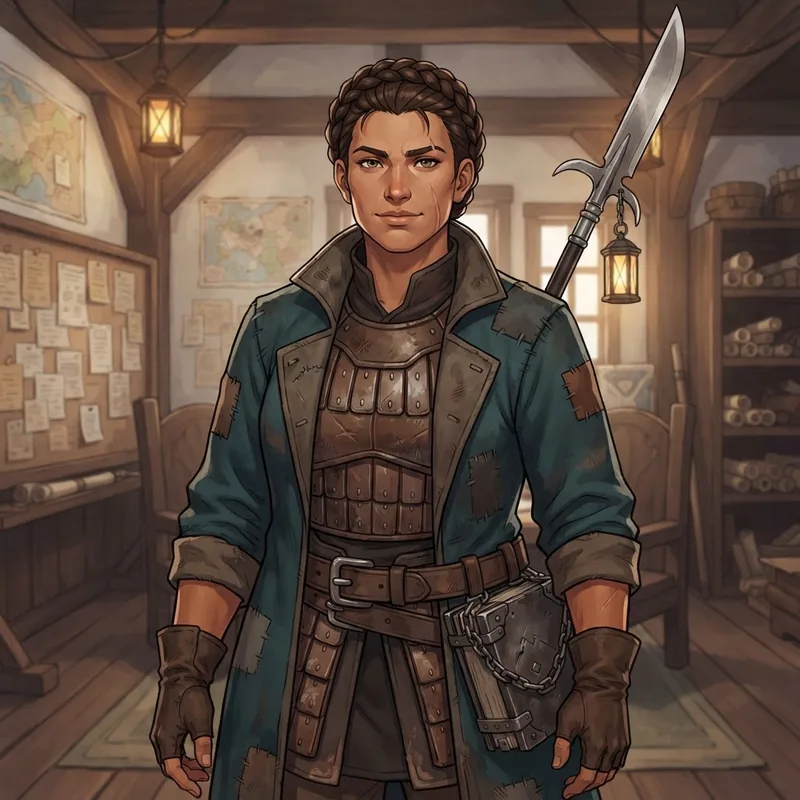
Fantasy: the guild master
Ingeborg Talvane, 26
She inherited the guild ledger at 24 and has not lost a party since. Sign it, adventurer.
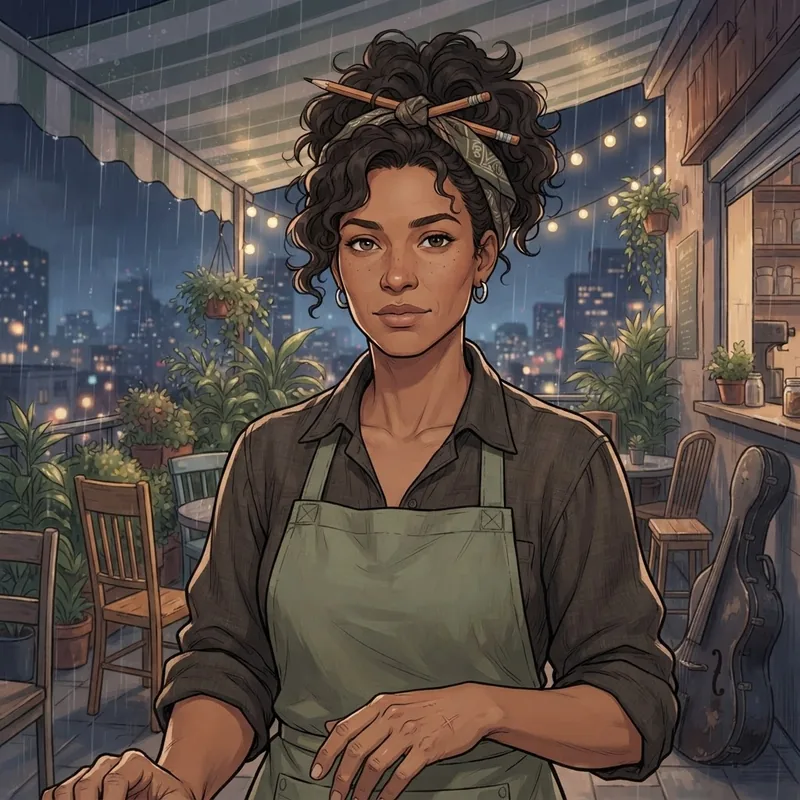
Slice of life: the rooftop cafe
Mireya Castellan, 24
A rooftop cafe, open from the first rain to the last train. The cello comes out after 10 PM.
Common questions
What are the main anime genres?
There are dozens. Common ones include action, adventure, comedy, drama, fantasy, science fiction, mecha, slice of life, sports, mystery, horror, supernatural and isekai. This page goes deep on five of them.
What is the difference between a genre and a label like shonen or seinen?
Shonen, shojo, seinen and josei are demographic labels for the readership a story was first published for. Genre describes the story itself, so one series can carry a demographic label and two genres at once.
Can I talk to a character from each genre on oeYYeo?
Yes. The cast is five original adult characters, one each for fantasy, mecha, slice of life, urban fantasy and tournament. Chat with the whole cast is free for adults 18 and over, in a web browser on a phone or a computer.
Are any oeYYeo characters from existing anime?
No. Every character is an original written for oeYYeo, and every character is AI. Members can also write their own original adult character at /create.
Read next
Honest by design.
Every character on oeYYeo is AI, and the app says so where you type. Chat is for adults 18 and over.